

The Short Answer
There is no wrong colour, only a wrong colour for the room. The choice between dark and light units (cabinets, if you have been reading American guides, and yes, the old spelling of this page's address is the American "color") comes down to three things: how much daylight the kitchen gets, how big it is, and how much wiping down you are prepared to do.
- Choose light if the kitchen is small, narrow, north-facing or has one modest window.
- Choose dark if the room is large, open-plan or flooded with light from bi-fold doors or roof windows.
- Choose both if you like the drama of dark units but worry about the room closing in. Dark below, light above is the most forgiving scheme there is.
The rest of this guide explains why, so you can test the advice against your own room before you spend a penny.
What Light Units Do Well
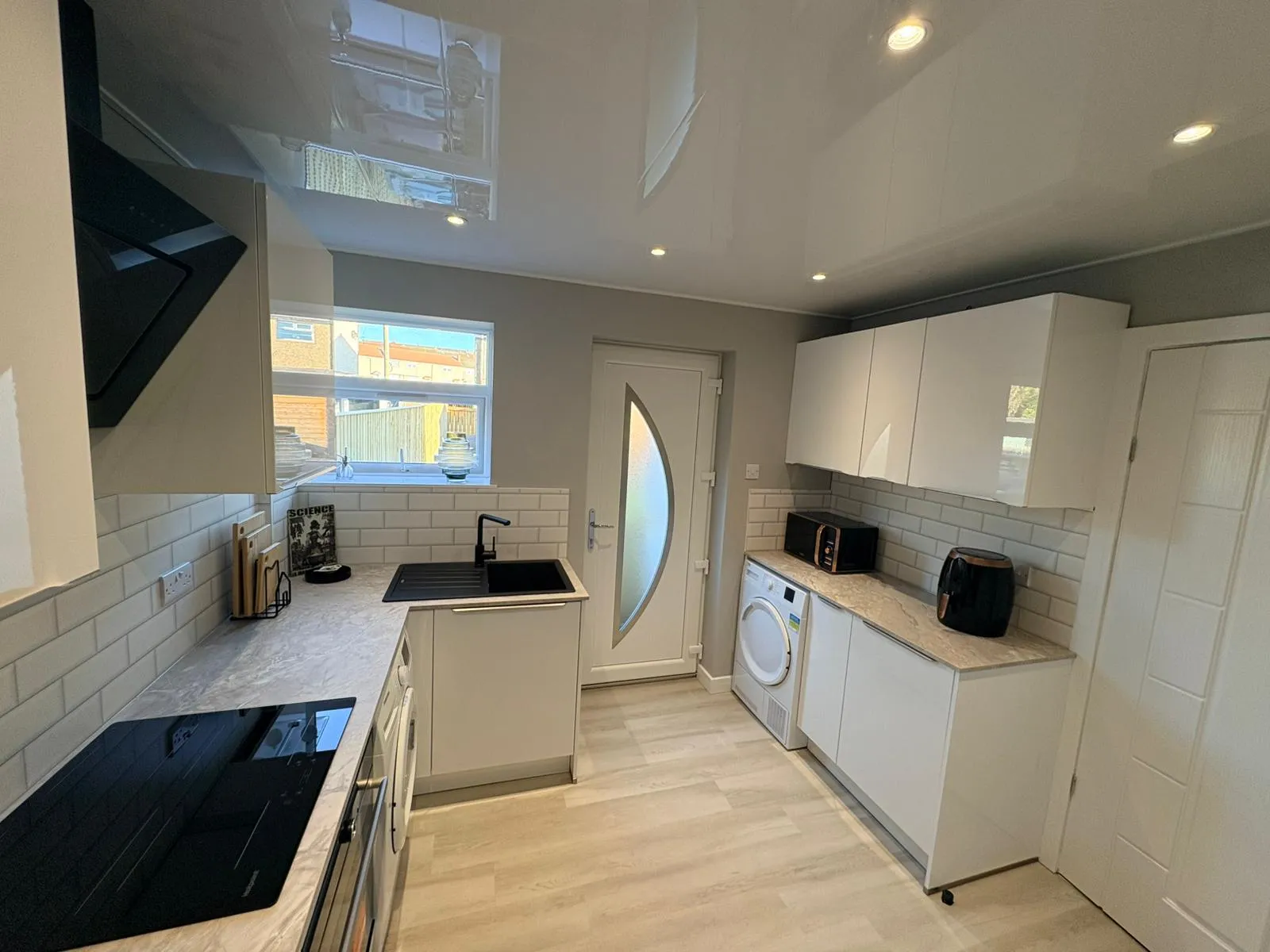
White, cream, pale grey, soft sage and stone shades all reflect light instead of soaking it up. In practical terms that means the room feels wider, the corners do not disappear into shadow, and you need the lights on for fewer hours of the day.
Light units are also easy to live with for a long time. They sit quietly behind whatever else you change, so a new floor, a different wall colour or a bolder worktop five years from now will not clash. If you think you might sell in the future, a light kitchen is the one that the widest range of buyers can imagine themselves in.
The weak points are honest ones. Pale doors show tomato sauce, tea drips and scuffs from shoes on the bottom drawers. A flat white kitchen with a white worktop and white walls can also feel clinical. The fix is texture: a timber worktop, a veined quartz, brushed brass handles or a coloured splashback warms the whole thing up.
What Dark Units Do Well
Navy, charcoal, forest green, graphite and black give a kitchen weight and a sense of quality that pale colours struggle to match. A dark run of tall units looks like fitted furniture. A dark island becomes the centrepiece of an open-plan room. Brass, copper and timber all look richer against a deep colour.
Dark units are also good at hiding the things that stain light ones. Splashes of food and everyday scuffs largely vanish.
What dark units do not hide is dust, flour, dried water marks and greasy fingerprints. A matt dark door near the hob or around the handles will show every touch, which is why many dark kitchens are handleless or use a finish sold as anti-fingerprint. Ask to handle a sample door in the showroom and press your palm on it. You will know in five seconds whether you can live with it.
Dark colours also absorb light. In a room that is already dim, a full dark kitchen can feel like a cave by three o'clock on a December afternoon.

How Scottish Daylight Changes The Choice
Most colour advice online is written for sunnier places. Scotland gets long, bright summer evenings and very short winter days, and a lot of our daylight is soft and grey. That matters more for kitchen colour than any trend.
Which way does the window face? A north-facing kitchen gets cool, even light all day. Cool greys and blue-blacks can look cold and flat there, while warm whites, creams and sage look better. A south or west-facing kitchen gets warm light, which flatters dark navy and green and can make a brilliant white glare.
What kind of home is it? A tenement galley with a single sash window at the far end needs all the reflected light it can get. A bungalow kitchen with a low ceiling is similar. A rear extension with roof windows and glass doors is a different story and can take the darkest colours comfortably. Our designers see this contrast every week between kitchens in Glasgow flats and newer open-plan homes.
The simple test: stand in the kitchen at four o'clock on a dull day with the lights off. If you can comfortably read a recipe, the room can carry dark units. If you cannot, go lighter or go two-tone.
Which Colour Shows The Dirt?
Both do. They simply show different dirt.
| Mark | Light units | Dark units |
|---|---|---|
| Food splashes and sauce | Shows clearly | Mostly hidden |
| Fingerprints and grease | Mostly hidden | Shows clearly, especially on matt |
| Dust and flour | Hidden | Shows clearly |
| Dried water marks | Hidden | Shows near the sink |
| Chips and knocks | Less obvious | More obvious if the core is pale |
| Shoe scuffs at plinth level | Shows | Hidden |
Mid tones are the quiet winners here. A mid grey, a sage green or a stone colour hides more of everything than pure white or pure black. If you have young children or a dog, that is worth knowing.
Finish matters as much as colour. Gloss reflects light and wipes clean easily but shows smears. Matt looks softer and more current but holds on to greasy marks a little more. A painted shaker door has grooves that collect dust in any colour, so allow for a quick run round with a cloth.
Two-Tone Kitchens: The Best Of Both
You do not have to pick a side. Mixing dark and light is now one of the most common requests our designers get, and it solves most of the problems above.
- Dark base units, light wall units. The dark sits low where scuffs happen, the light sits at eye level where it keeps the room open.
- Light kitchen, dark island. The island becomes a piece of furniture and the walls stay bright.
- One dark wall of tall units. Ovens, fridge freezer and larder in a deep colour, with everything else pale. It looks deliberate and keeps the dark colour away from the window wall.
Keep to two unit colours plus one worktop. Three or more colours of unit tends to look like a showroom display instead of a home. The modern kitchens page shows several handleless examples of dark and light working together.
Worktops, Floors And Handles
Units are only half of what you see. The worktop and floor are large surfaces, and they decide whether a colour scheme works.
With dark units, a pale worktop and a light splashback do a lot of the work of keeping the room bright, because they sit right where the light from the window and the under-unit lighting lands. A dark worktop on dark units in a small room is the combination to be careful with.
With light units, you have more freedom. A timber or dark stone-effect worktop adds the contrast that stops a pale kitchen looking washed out. A mid-tone floor is kinder than a very dark or very pale one, as both of those show crumbs.
Handles are the cheapest way to change the mood. Black handles sharpen a white kitchen. Brass warms up navy and green. Going handleless keeps a dark kitchen sleek.
Does Colour Change The Price?
Less than people expect. Within the same door range, the standard colours usually cost the same whether they are dark or light. What moves the price is the type of door, not its shade: a painted timber door costs more than a smooth slab door, and a colour mixed specially to match a paint chart costs more than one from the standard palette.
As a guide, fitted kitchens with us start from £6,000, and most family kitchens land between £8,000 and £15,000 depending on size, worktop and appliances. Finance is available from £35 a week, subject to status, and the finance page explains how it works. Various deposit options are available.
The better way to decide is to see it. Because every kitchen we design is drawn up in 3D, you can look at your own room in a dark scheme, a light scheme and a two-tone version side by side before you choose.
Quick Answers
Do dark kitchen units make a room look smaller?
They can, if the room is already small or short of daylight. In a large, bright room they do the opposite and make the space feel more considered. Pale worktops and good lighting soften the effect.
Are white kitchens going out of fashion?
Pure brilliant white is less popular than it was, but warm whites, creams and pale greys are as popular as ever. Light kitchens never really date, which is part of their appeal.
Which is easier to keep clean, dark or light?
Neither wins outright. Light shows food splashes, dark shows fingerprints, dust and water marks. Mid tones such as sage, stone and mid grey hide the most.
Can I have dark units in a small kitchen?
Yes, with care. Use the dark colour on the base units only, keep wall units and worktops pale, and add under-unit lighting. Our small kitchens page has more ideas for tight rooms.
Will a dark kitchen put buyers off?
A well-designed dark kitchen rarely does, though a light kitchen appeals to the widest range of people. If you expect to move within a few years, a two-tone scheme is a sensible middle road.
See both colours in your own kitchen
A designer measures up and shows you the room in 3D, in dark, light or a mix of the two, then gives you a clear, no-obligation quote.


 Google