
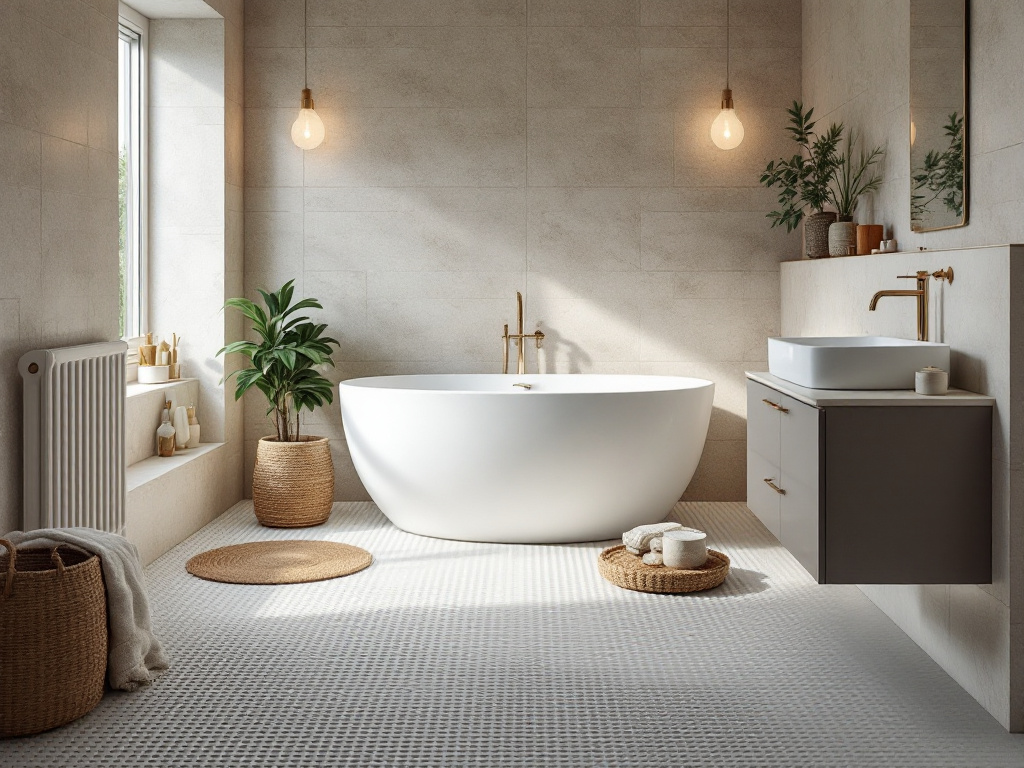
Slip resistant flooring for elderly bathrooms in Scotland can make the difference between a safe, comfortable routine and a frightening accident. We understand how important it is to feel confident stepping into the shower or crossing a damp floor. Across Scotland, many homeowners, landlords, and holiday-let hosts face the same challenge: how can we protect our older family members, tenants, or guests from bathroom slips while still creating a warm, inviting environment?
We believe it starts with the right flooring. A non-slip surface is not just a practical feature, it is a key element in designing a bathroom that supports ageing in place, meets the needs of multi-generational households, or gives guests peace of mind when they rent a holiday property. In what follows, we will examine why slip resistant flooring plays such a crucial role in Scotland’s bathrooms and which considerations matter as you plan your next renovation or upgrade.
Why slip resistance matters
Bathrooms tend to be small spaces with multiple water sources, making them high-risk zones for slips. The gentle mist of a hot shower or steam that lingers in the air can quickly create slick floors. Elderly individuals, in particular, are more vulnerable to falls due to reduced balance, slower reflexes, and potential mobility challenges. One slip can result in bruises, fractures, or even more serious injuries. It is no wonder that so many of us want to explore bathroom safety features for older adults in scottish homes to give everyone greater peace of mind.
Providing slip resistant flooring for elderly bathrooms in Scotland is therefore a top priority. Not only does it protect older residents, it also offers families with children or guests who may need extra stability underfoot. By installing a surface that guards against falls, we can maintain an environment that feels spacious and user-friendly, without losing sight of style or comfort.
Key risks in an elderly bathroom
Although a slippery floor is a major issue, there are other hazards to keep in mind. Damp conditions can lead to mildew or mould growth, which can make floors even more hazardous and introduce health concerns. Older bathrooms might also feature cracked tiles, uneven thresholds, or worn-out grout lines that increase the chances of tripping. Each of these concerns underscores the broader need to make bathrooms safer and more functional.
Additionally, bathrooms are often packed with features. From tight corners to protruding shower edges, every minor detail can heighten the risk of losing one’s balance. This is why a comprehensive approach, including slip resistant flooring, grab rails, and carefully considered fixtures, helps us create safer and more welcoming bathrooms overall. For deeper insights on how we can combine these elements, explore our guide to bathrooms for elderly homeowners in scotland that are safe stylish and future proof.
Common flooring options to consider
Before selecting a specific slip resistant material, it is worth understanding the most popular choices and how they compare. While there is no absolute “best” floor for every single situation, some materials are inherently more slip-resistant than others.
- Vinyl flooring: Known for its affordability and durability, textured vinyl offers a decent level of slip resistance. Many people value how it can be cut to size with minimal seams, making it less likely for water to seep beneath.
- Textured tiles: Porcelain or ceramic tiles with an anti-slip coating can provide excellent grip. However, it is vital to select tiles rated for wet conditions and to install them correctly to avoid water infiltration.
- Rubber flooring: Favoured for its natural grip and high resilience, rubber flooring absorbs impact if falls do happen. This option is especially popular in heavily used communal areas or for those with mobility aids, as it provides good traction and reduces noise.
- Engineered stone: Some stone composites come pre-treated for slip resistance, offering a timeless, modern look. The finish is important, as polished stone can be slippery if not properly treated or textured.
We suggest comparing your favourite flooring styles in person to get a feel for traction levels, maintenance demands, and overall appearance. Consider whether your bathroom is used mostly by older adults, children, or older guests who require mobility aids. The final choice should reflect both your aesthetic tastes and the practical needs that arise in everyday life.
Designing a safer bathroom environment
Slip resistant flooring alone will not eliminate every risk in a bathroom. We also need to think about how the flooring interacts with bath or shower entries, thresholds, and any supportive handrails. For instance, when we pair slip resistant tiles with a low or zero-threshold walk-in shower, we dramatically reduce the chance of stumbling over a raised edge. You can read more about the pros and cons of walk in showers versus walk in baths for elderly homeowners if you are deciding how best to accommodate mobility needs.
Proper lighting is equally important. Bathroom tasks such as reaching for toiletries or turning on taps can become risky if the lighting is too dim. Combining bright, well-placed fixtures with a slip resistant floor helps everyone feel more secure. And for Scottish properties, thinking about ventilation is essential because damp, humid conditions often accelerate wear and tear on floors and fittings.
Balancing style and function
Just because we focus on safety does not mean we must give up on visual appeal. Today’s slip resistant finishes come in a wide range of designs, colours, and textures. Matte or lightly textured tiles can match both traditional and contemporary bathroom themes. Vinyl flooring now has realistic patterns that mimic wood or stone, blending seamlessly with existing décor.
We like to remind homeowners, landlords, and designers to look at the broader picture. A well-designed bathroom is not just non-slip, it is also free of clutter, easy to clean, and comfortable for everyday living. If you would like to see other ideas for merging style with practical features, head over to our article on designing a bathroom for ageing in place without a clinical feel.
Maintaining slip resistant floors
One of the hidden benefits of slip resistant flooring for elderly bathrooms in Scotland is that these surfaces are typically easier to maintain. Built for traction, they often feature finishes that repel dirt and minimise the risk of mould. Even so, routine upkeep is essential to retain the non-slip properties. We recommend:
- Regular cleaning: A mild, non-abrasive cleaning solution works well on vinyl, tile, or rubber floors. Gentle scrubbing with a soft-bristle brush lifts grime without damaging the anti-slip texture.
- Prompt spill cleanup: If water or soap spills, wiping it up promptly stops further slick patches from developing.
- Occasional re-sealing: Certain tile materials or treated stone may need re-sealing every few years to maintain optimum slip resistance. Always follow the manufacturer’s guidelines.
Keeping surfaces clean and in good condition is as important as the initial installation. That effort will pay off in a longer-lasting, safer space.
Additional benefits beyond safety
Although the main purpose of slip resistant flooring is to minimise falls, there are extra advantages that many Scottish property owners appreciate. For families with children or for short-term let hosts, a non-slip surface means fewer accidents overall. Younger guests are prone to splashing, running in and out of the shower, or even dropping items on the floor. Having a floor designed to reduce slipping hazards can prevent a holiday from turning sour or a busy morning from ending in chaos.
Moreover, slip resistant materials like vinyl or rubber feature softer surfaces than traditional cold tiles. This can be beneficial for anyone who might kneel or stand for extended periods. The added cushion helps reduce stress on legs and joints, and it can be a big plus for homeowners focusing on comfort as they age or for those who want a more relaxing space in general. If you are looking to adapt your bathroom more comprehensively for later life, you may want to read our piece on how to future proof your bathroom for later life in scotland.
How we can help
At Ultimate Home Solutions, we have seen firsthand the immense difference that slip resistant bathroom floors can make. Our approach is to look at the entire bathroom layout, from door thresholds to ventilation, while always maintaining a stylish finish. We work with Scottish homeowners, landlords, and hospitality hosts to identify flooring options that stand the test of time.
We tailor our guidance to your unique situation, whether you need a quick bathroom upgrade before welcoming tenants, a safer environment for ageing parents, or a modern feature that appeals to guests seeking a worry-free getaway. Our mission is to deliver reassuring design solutions that improve wellbeing and preserve the aesthetic you love.
FAQs about slip resistant flooring for elderly bathrooms in Scotland
Why should I invest in slip resistant flooring if I already have sturdy tiles?
Even sturdy tiles can become dangerously slick when wet, especially for older adults or individuals with balance concerns. Slip resistant flooring not only lowers the chance of falls but also improves overall confidence moving around the bathroom. Plus, modern slip resistant finishes do not sacrifice style.
Will a slip resistant surface look too industrial or bland?
Not at all. Many slip resistant floors are designed with home décor in mind, offering a variety of attractive finishes. You can choose from textured vinyl that mimics natural wood or stone, rubber flooring in neutral tones, or ceramic tiles with subtle anti-slip grits. With the right design choices, functionality and beauty go hand in hand.
How can I combine slip resistant flooring with other safety features?
Pairing non-slip floors with grab rails, walk-in access for baths or showers, and proper lighting offers a well-rounded safety plan. Consider reading our post on walk in showers versus walk in baths for elderly homeowners to see what combination might work best for your space.
Is slip resistant flooring expensive to maintain?
Usually, no. Most anti-slip surfaces are straightforward to clean, often requiring only mild soap and water. Proper installation and occasional re-sealing or resurfacing (if recommended by the manufacturer) keep floors in prime condition. Overall upkeep costs remain fairly low compared to the safety benefits.
Can I install slip resistant flooring myself?
While a seasoned DIYer might handle certain vinyl or interlocking rubber tile systems, it is generally wise to hire a professional, especially if your bathroom requires waterproof layers or if you want to maximise longevity. Expert installers also ensure floors meet regulations, which is particularly beneficial for landlords or those listing on Airbnb.
Does slip resistant flooring help with resale value?
In many cases, yes. Properties that demonstrate thoughtful design for ageing in place or meet the needs of families with children often score higher interest from prospective buyers or tenants. A bathroom with non-slip flooring appeals to a wider audience, making your renovation a potential investment that could offer long-term returns.
Final thoughts
In a country where damp weather often adds to the challenges of bathroom safety, it is clear why slip resistant flooring for elderly bathrooms in Scotland matters so much. It helps us care for older family members, protect energetic children, and give holidaymakers a secure environment to unwind. Best of all, the market offers plenty of appealing finishes that do not compromise your style.
When you are ready to create a safer, more enjoyable bathroom environment, remember that non-slip floors are just one piece of the puzzle. Pair them with other features, like well-positioned grab bars or a walk-in shower, to enjoy maximum protection and comfort. Most importantly, remember that no matter your budget or style preferences, there is a slip resistant flooring option designed to suit your needs. We have seen multiple happy homeowners discover how a carefully chosen floor can transform daily routines, and we are here to guide you every step of the way.


